

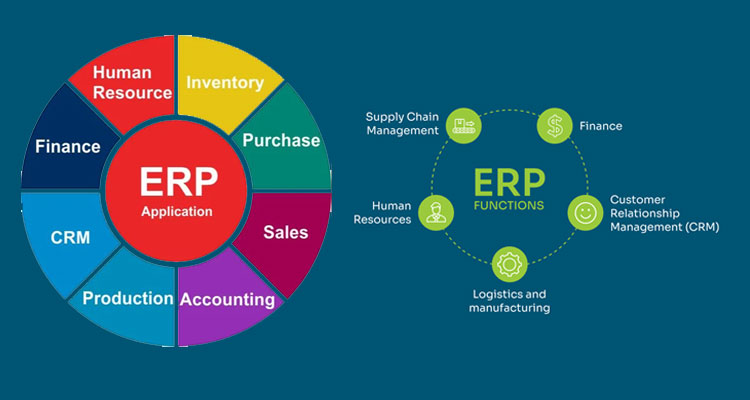
What Is ERP ???
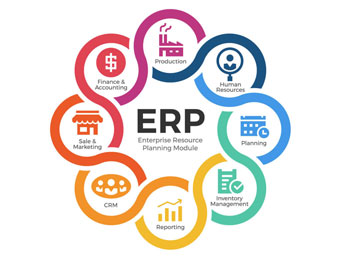
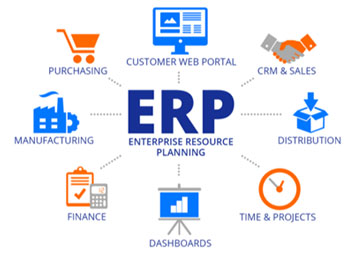
Enterprise resource planning (ERP) is a software system that helps organisations streamline their core business processes—including finance, HR, manufacturing, supply chain, sales, and procurement—with a unified view of activity and provides a single source of truth.
An easy way to understand ERP is to picture a company as a human body. Like a body, it has core processes that are vital to its health and functionality—instead of sleeping and digestion, think supply chain and sales. While many of these processes take place independently, they’re still linked by how they impact the body—or the business—as a whole. This also means that issues with one process can and often do affect the rest.
The history and evolution of ERP
ERP’s humble beginnings are over a century old, in the form of a paper-based manufacturing system for production scheduling. In the early 1960s, manufacturing companies began adopting computerized business applications. They were faster and more accurate than manual processes—but also expensive, limited in functionality, and still pretty slow.
These pioneering applications spawned the development of dedicated, standalone solutions such as sales order processing and material requirements planning (MRP), which new software was eventually able to integrate into a single system that boosted operational efficiency. By the 1990s, ERP had transformed the technology sector by serving a broader range of business activities across multiple industries.
Faster internet speeds and new software development tools have further revolutionised ERP suites. The introduction of browser-based software paved the way for cloud ERP, greatly expanding the adoption, scope, and functionality of ERP solutions.
Today’s ERP systems increasingly use intelligent technologies such as artificial intelligence (AI), machine learning, natural language processing (NLP), and in-memory databases. They help businesses run more efficient processes, leverage up-to-the-minute insights from transactional and unstructured data, and stay competitive in a fast-moving environment.

